
Neighborhoods
Discover the communities Troy serves
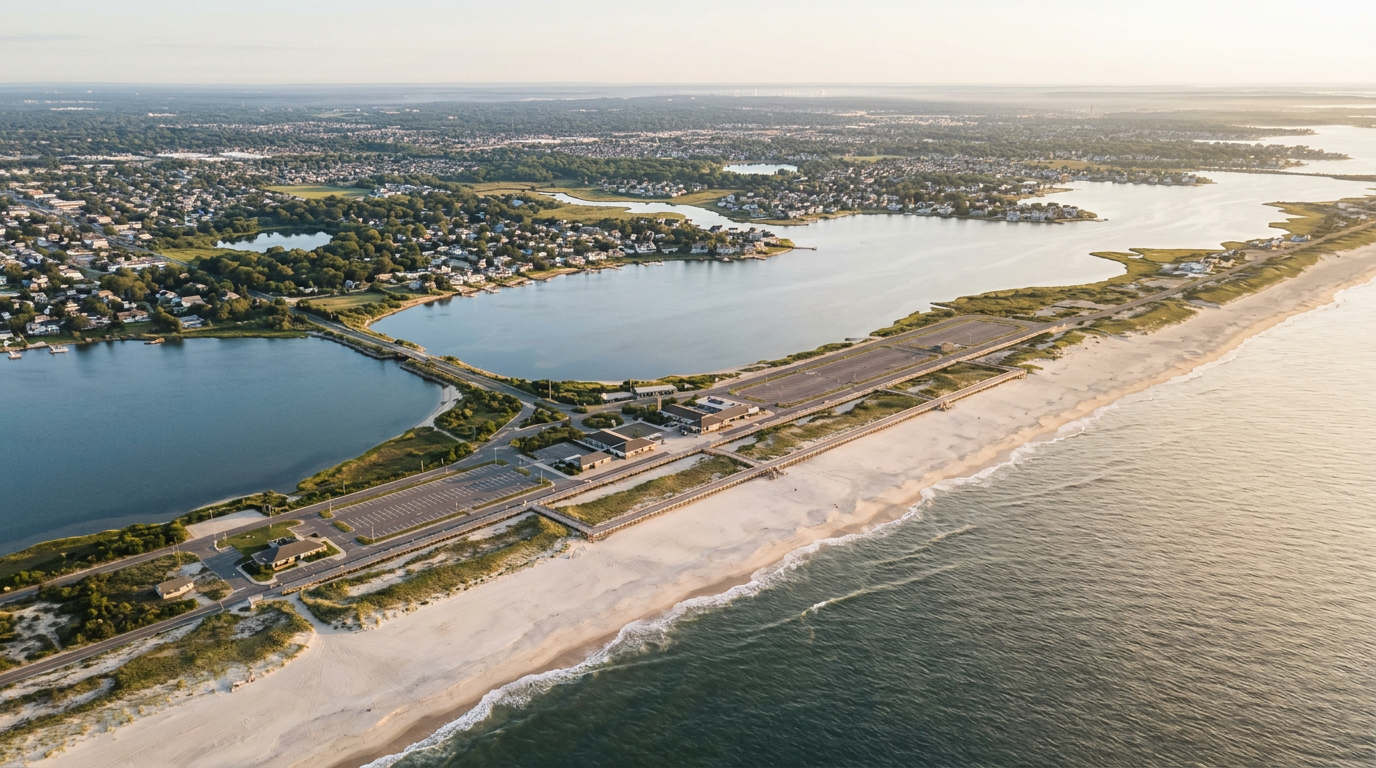
Nassau County
Nassau County stretches across the western half of Long Island, beginning just beyond New York City's eastern edge and extending to the Suffolk County line. The landscape here ranges from dense suburban corridors along the North and South Shores to quieter residential pockets inland, with neighborhoods built around commuter rail lines, parkways, and village centers. Housing varies widely—from prewar colonials and Tudors in established villages to postwar ranches and contemporary builds in newer subdivisions—often on generous lots shaded by mature trees.
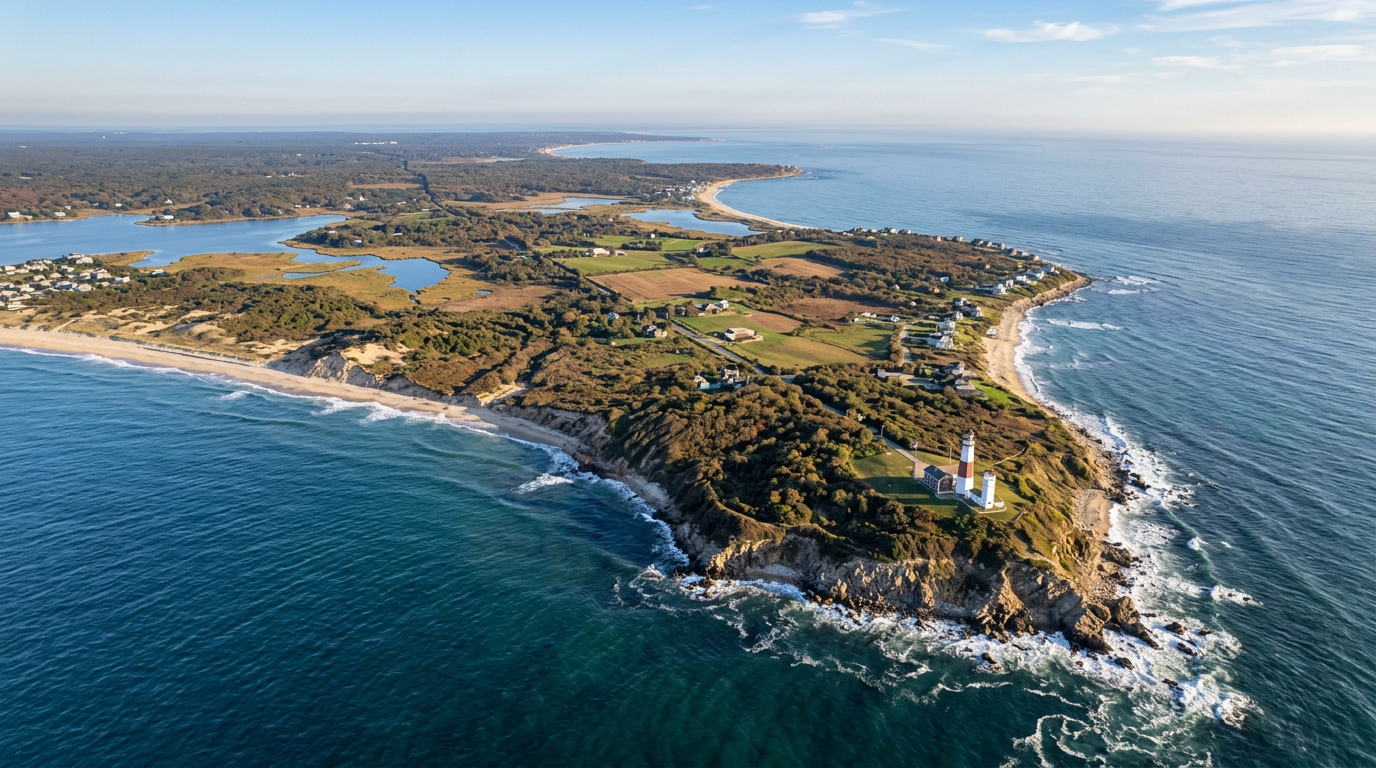
Suffolk County
Suffolk County stretches across the eastern half of Long Island, from suburban communities near the Nassau border out to the twin forks that extend into the Atlantic. The landscape shifts as you move east — from densely developed towns with walkable downtowns and train access, through quieter residential neighborhoods and wooded enclaves, to working farmland, vineyards, and coastal villages where the pace slows and the scenery opens up.
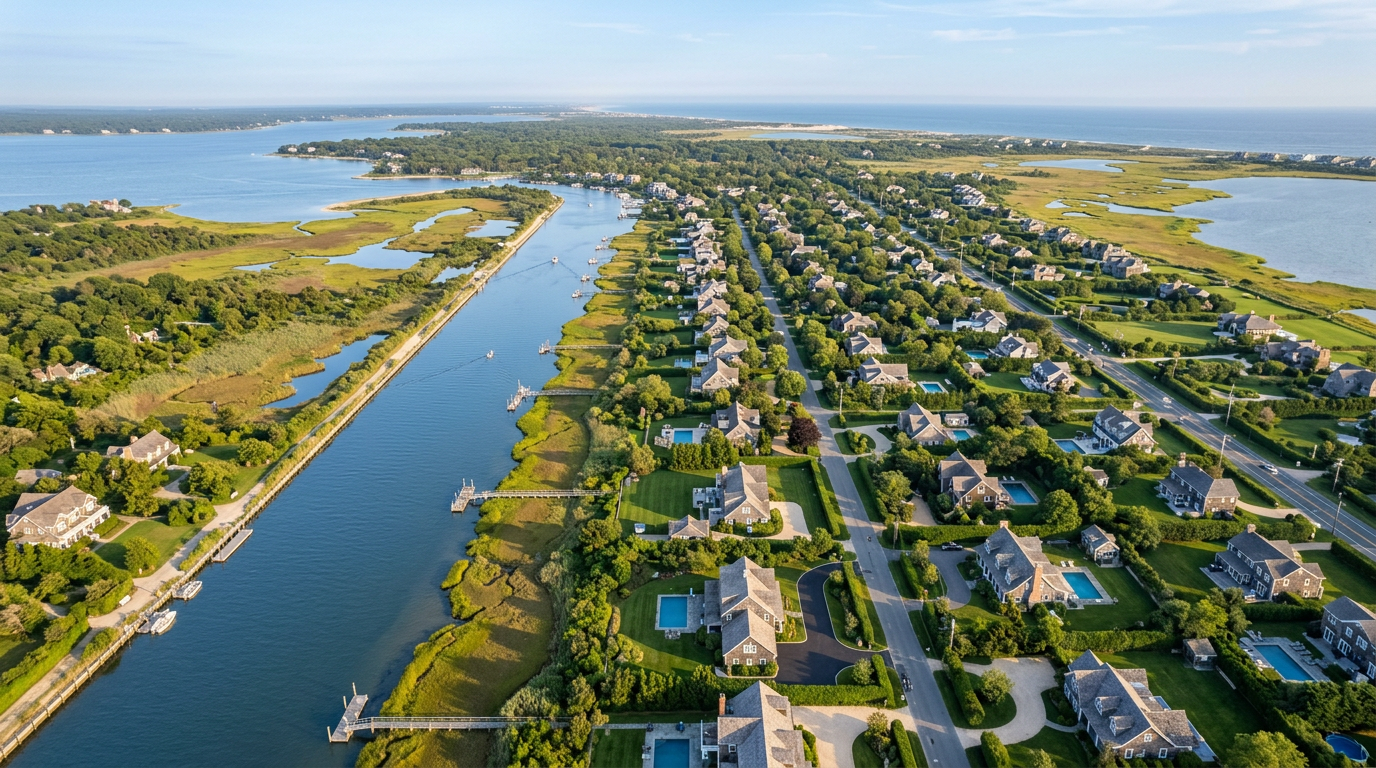
Southampton
Southampton stretches across Long Island's South Fork, where Atlantic beaches meet farmland, historic villages, and quiet residential roads. The town encompasses multiple hamlets and communities, each with its own character—from the village center's Colonial-era streets and cultural institutions to beachside enclaves and rural inland areas where farmstands still dot the landscape.

Montauk
Montauk sits at the far eastern tip of Long Island, where the land meets the Atlantic Ocean in a dramatic sweep of coastline, dunes, and open sky. This seaside community has long drawn those seeking a quieter pace than the resort towns closer to the city, with weathered shingled cottages, modern beach houses, and ranch-style homes scattered along winding roads that lead to the shore. The downtown stretch along Montauk Highway offers casual seafood restaurants, surf shops, and galleries, while the surrounding landscape is marked by lighthouses, rolling bluffs, and state parkland ideal for hiking, fishing, and watching the horizon. Commercial fishing remains part of the local fabric, and summer brings a seasonal energy without overwhelming the town's unhurried character. Beyond the beaches, inland areas feel more residential and wooded, with families attending the local public school and enjoying access to nature trails and harbors. Montauk appeals to families looking for a beach-centered lifestyle, retirees seeking coastal tranquility, and remote workers who want ocean views without the congestion of larger shoreline communities.
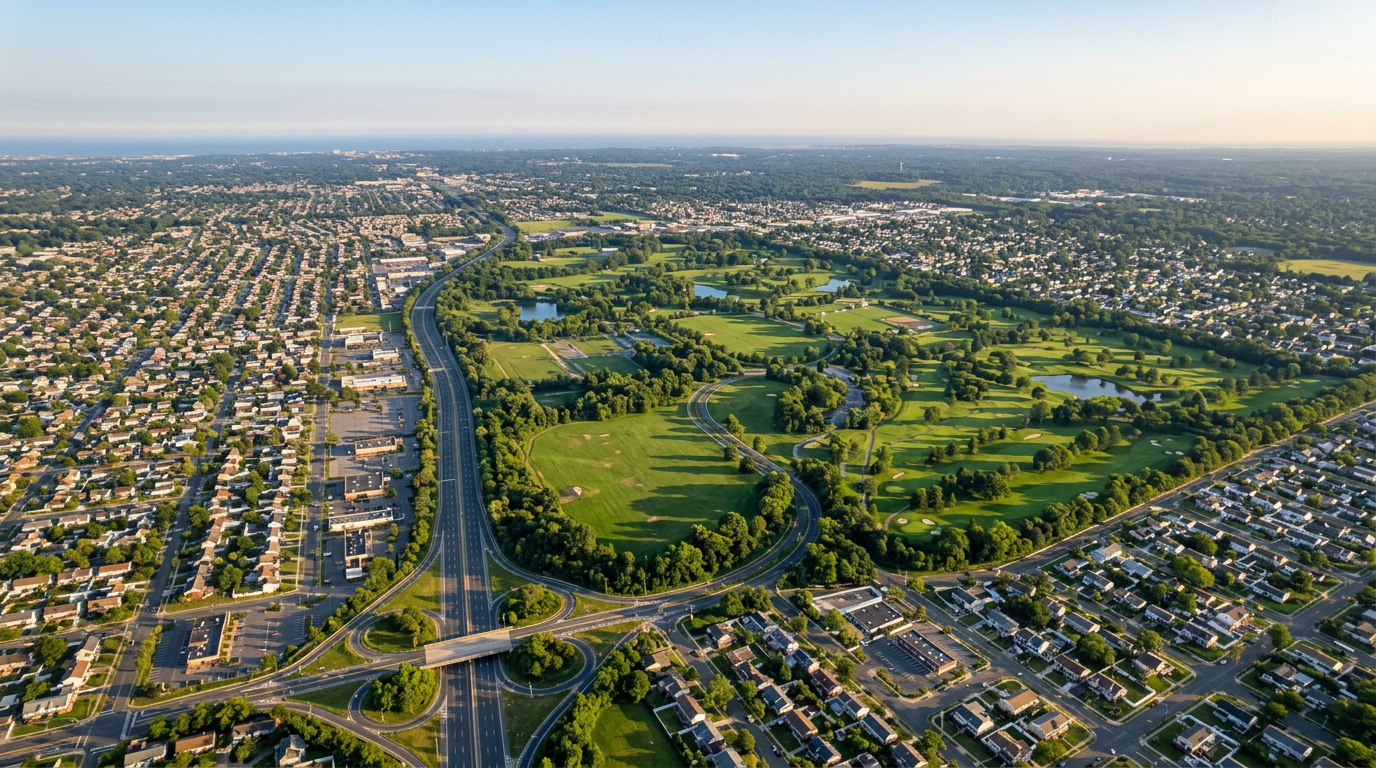
East Meadow
East Meadow sits in the heart of Nassau County on Long Island, offering suburban living just miles from New York City. Tree-lined streets connect a mix of mid-century ranch homes, split-levels, and colonials that define much of the residential fabric, while well-tended yards and sidewalks give the community a settled, established feel.
Farmingdale
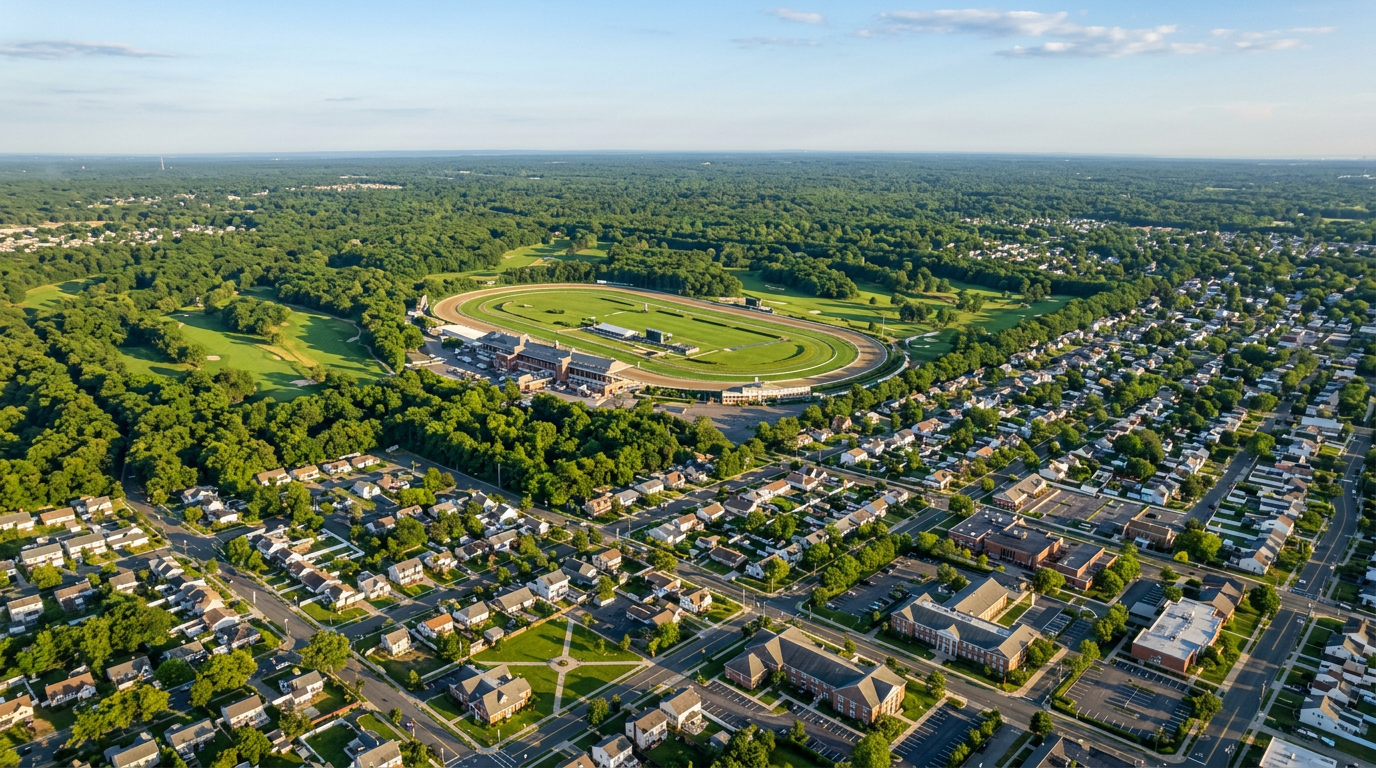
Farmingdale sits on Long Island in Nassau County, just east of the Queens border and well-positioned along the Route 110 corridor. The village combines residential neighborhoods with practical town-center amenities, offering a mix of single-family homes on modest lots, ranches, colonials, and some townhomes and condos. Tree-lined streets give way to a walkable downtown where independent shops, cafes, and everyday services cluster near the train station.
Massapequa
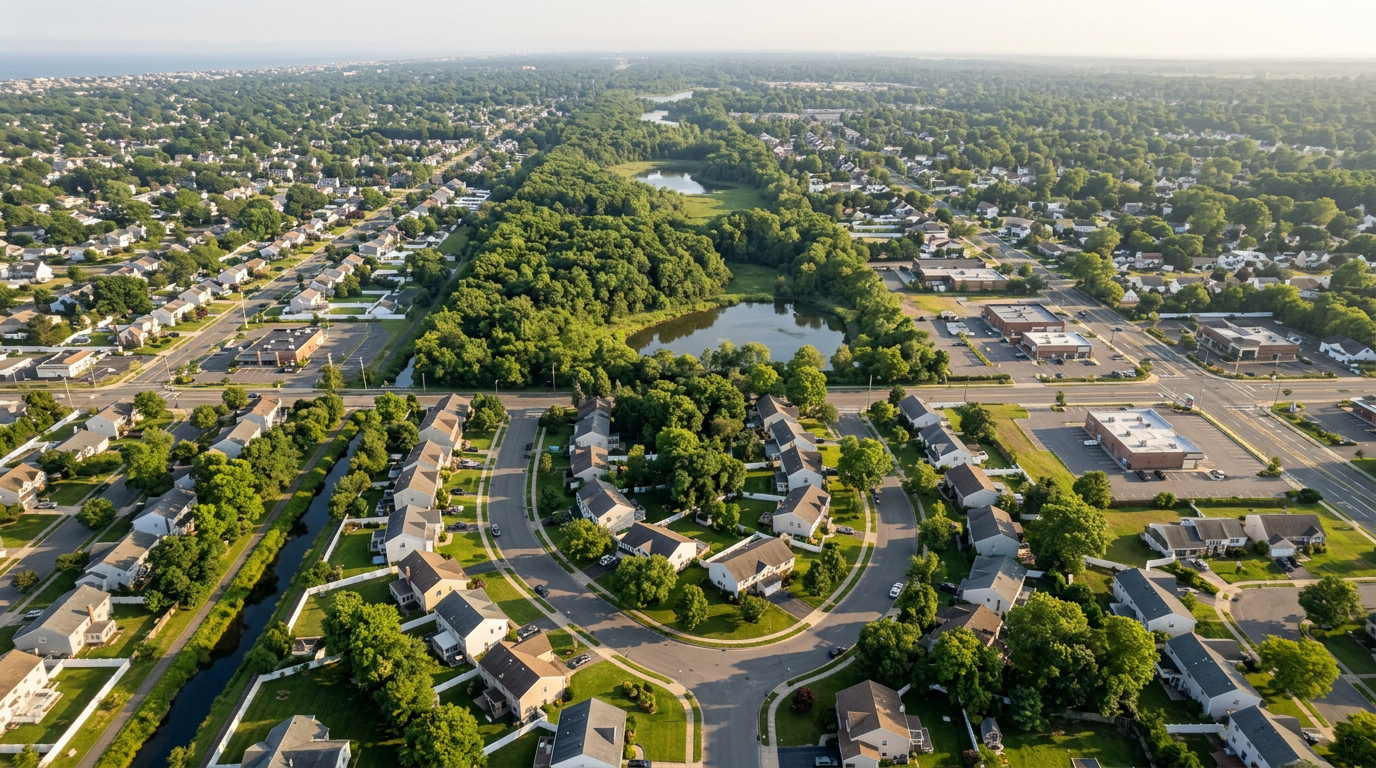
Massapequa sits along Long Island's South Shore, just east of Nassau County's border with the Town of Oyster Bay. The community unfolds across several distinct residential areas, from established tree-lined streets near the water to newer developments further inland. Housing ranges from classic Cape Cods and split-levels to newer colonials and ranch homes, many on generously sized lots that give the area a suburban feel with room to breathe.
Queens
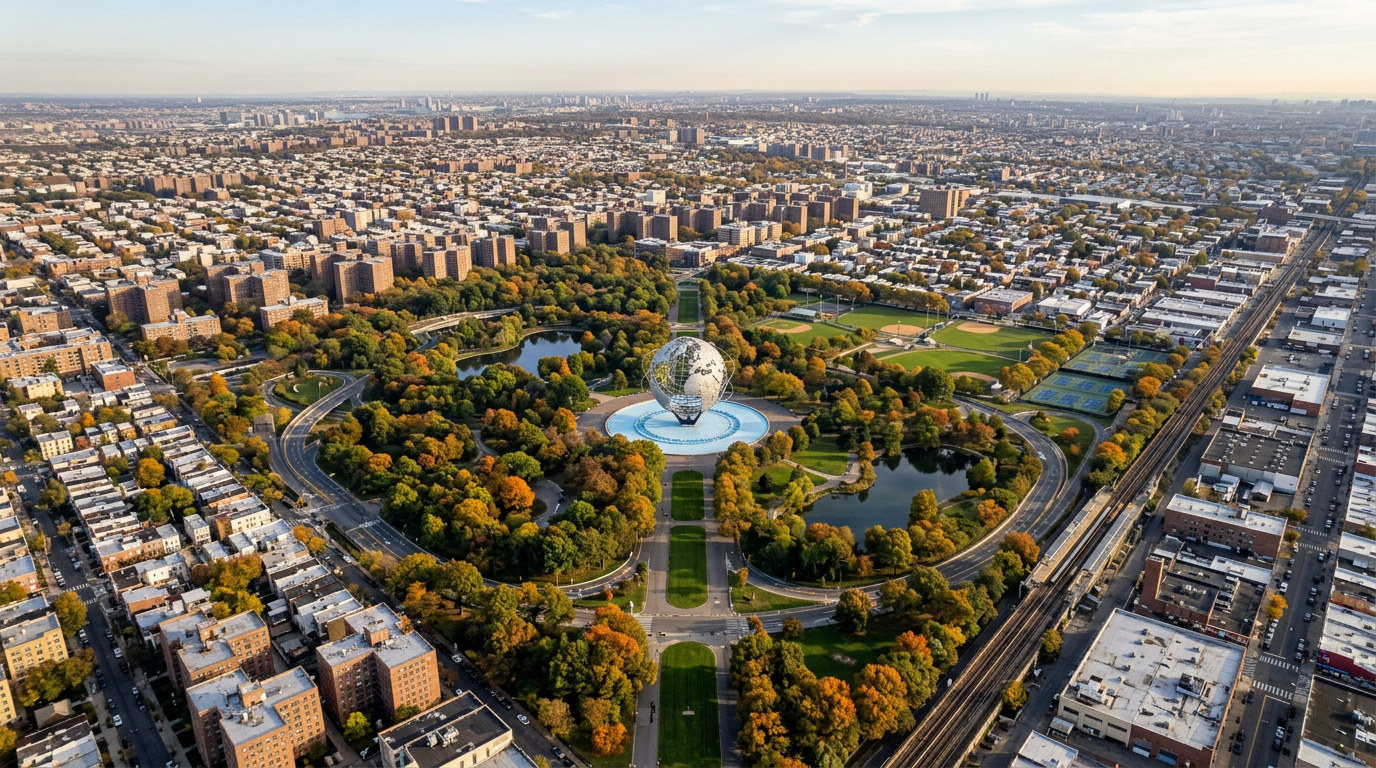
Queens unfolds across more than 100 square miles of New York City's eastern edge, stretching from the East River to Nassau County and encompassing dozens of distinct neighborhoods. Housing here spans prewar brick apartment buildings, postwar garden complexes, attached rowhouses, and standalone single-family homes—a range of architectural styles reflecting the borough's layered development over more than a century.
Plainview
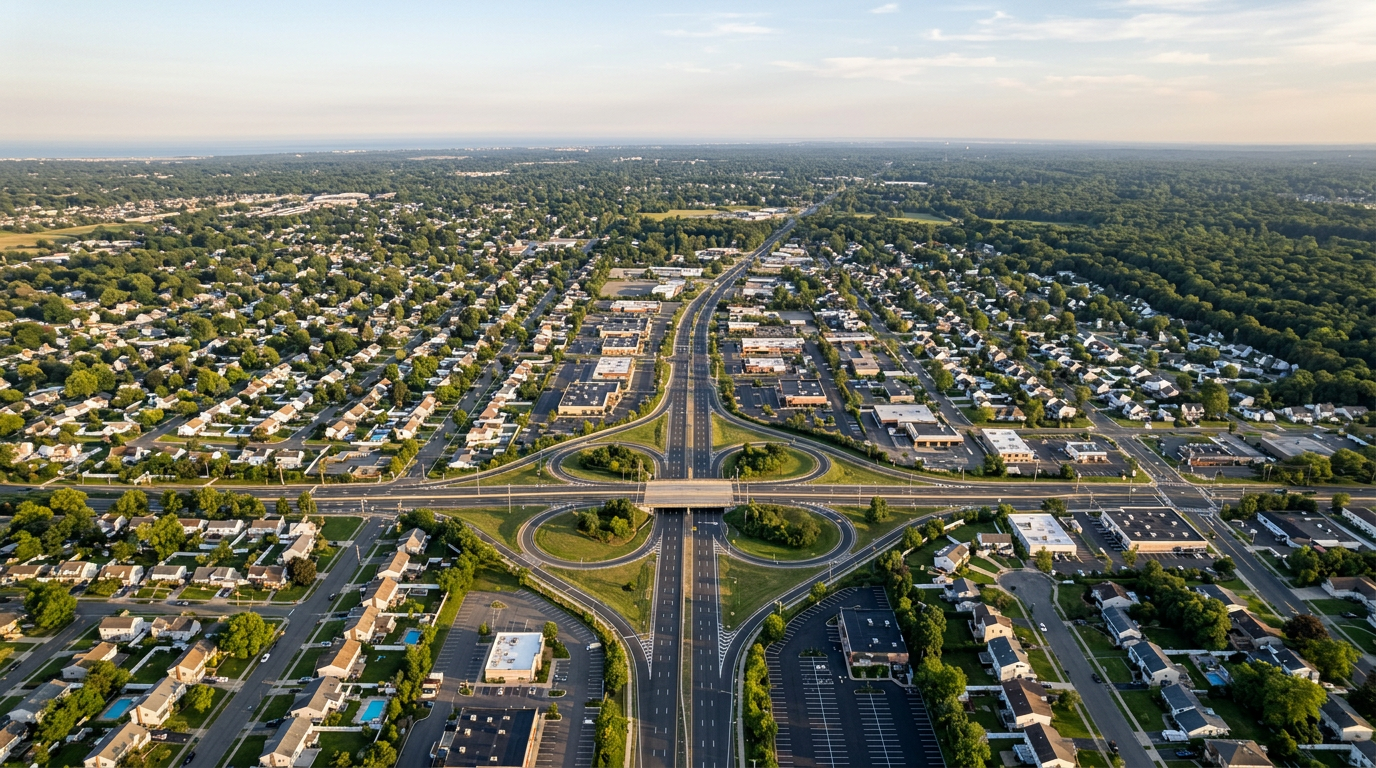
Plainview occupies a comfortable corner of Long Island's Nassau County, where post-war suburban planning created tree-lined streets and a strong sense of residential community. The housing here reflects several decades of development, from mid-century ranches and split-levels to updated colonials and contemporary builds, giving the area a mix of architectural styles that appeal to different tastes and budgets.
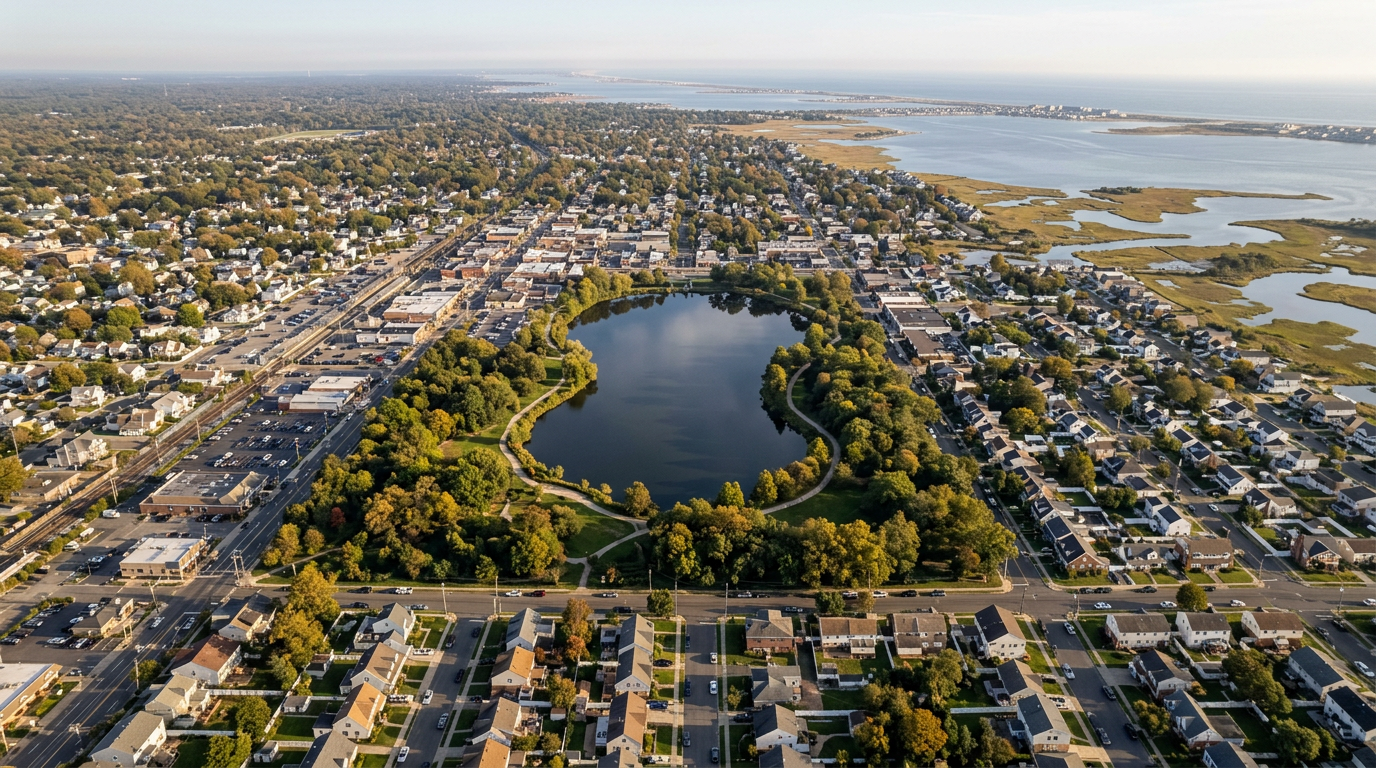
Babylon
Babylon stretches along Long Island's southern shore, where tree-lined residential streets meet the edge of the Great South Bay. The town encompasses several distinct communities, each with its own character—from waterfront areas where boating and fishing shape daily life to inland neighborhoods built around midcentury homes, colonials, and contemporary builds. Architecture reflects decades of Long Island development, with ranch houses, split-levels, and newer construction spread across quiet blocks.